
3. Electronics basics
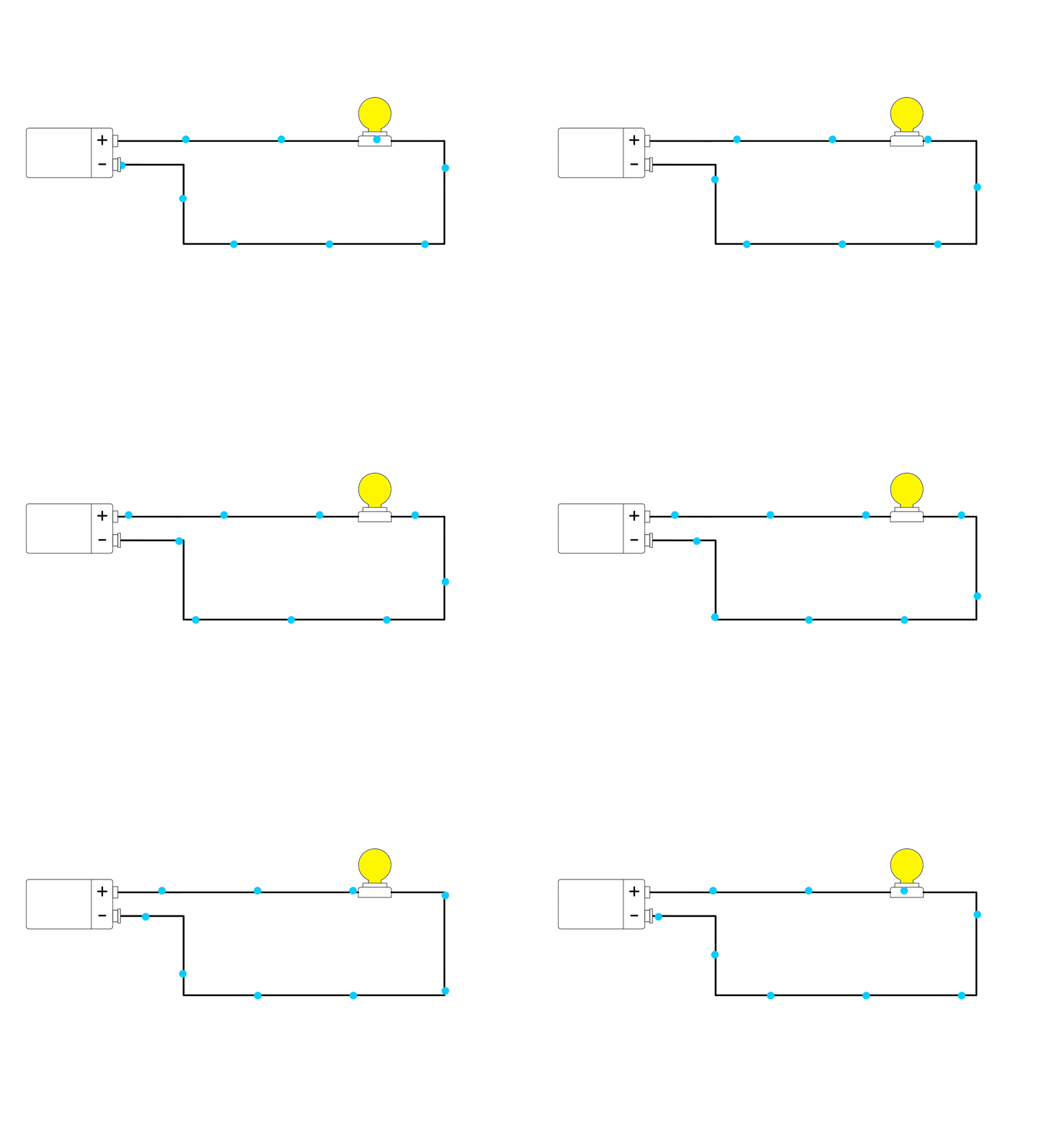
Flow of electricity
In this circuit electricity flows from the positive(+) pin of the battery to the negative(-) one.
As it flows through the lightbulb it illuminates it.
The black line represents a conductive material such as a copper wire. Electricity can pass through conductive materials and not insulating ones.
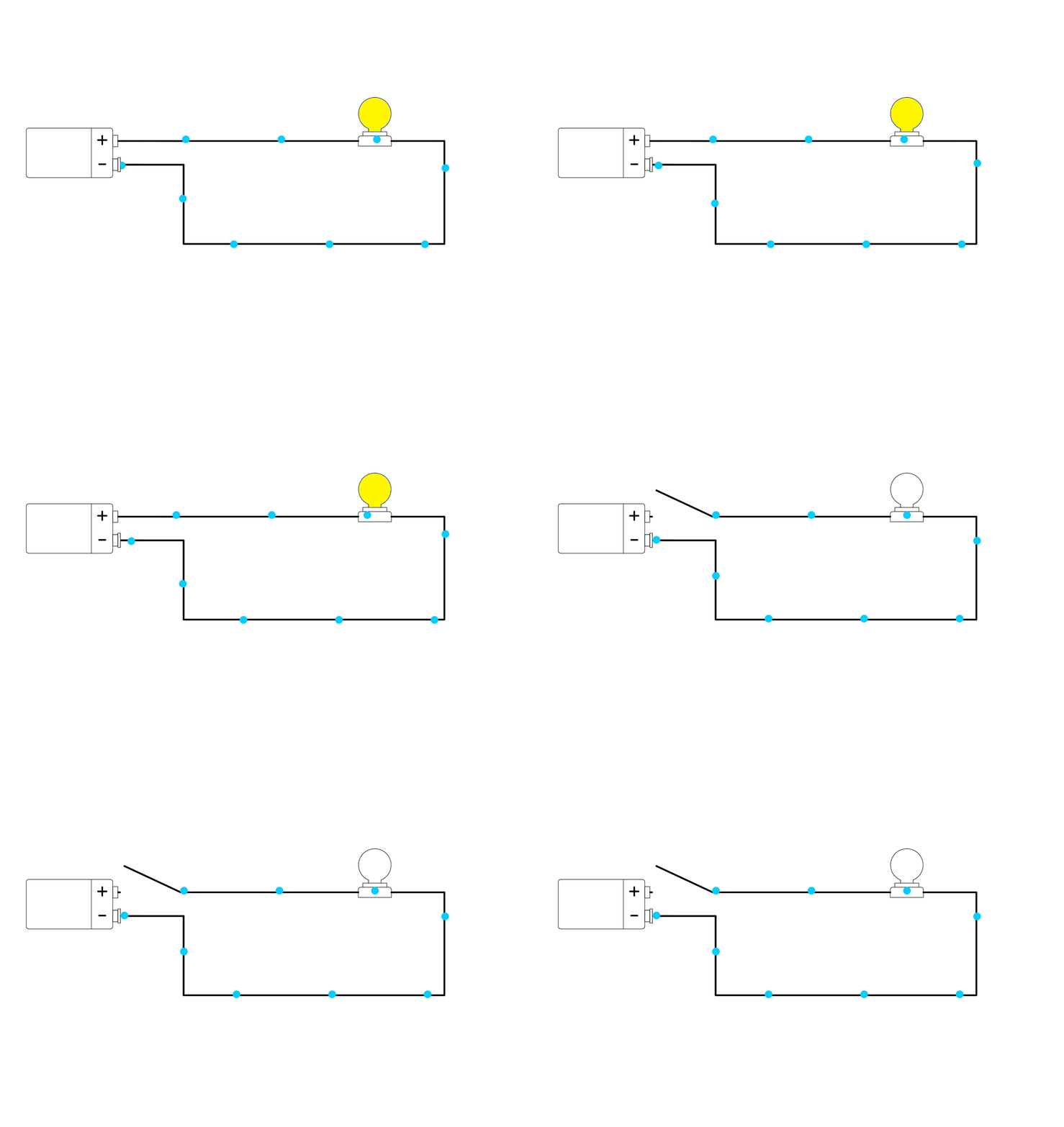
Breaking the circuit
You can see here that if you break the circuit, the electricity stops flowing, which turns the light off. This is how a switch works.
Electricity will only flow if the circuit is complete.
Properties of electricity
There are two basic properties of electricity that we need to have a basic understanding of before we can start to design a circuit.
Voltage
Current
Its worth mentioning at this stage that we are just trying to grasp the basics of electricity. Just enough so that we can start to build diy synths and have a solid base to learn from. As I will show later there are ways that you can start to build synths with basically no knowledge of electricity so don’t worry too much is some of this goes over your head.
Later I am going to use an analogy to help explain these properties in a more understandable way.
In this circuit the blue dots represent electrons. When electricity passes though a conductor such as copper, it is actually the electrons of the copper atoms moving from one atom to the next. Try to imagine that the battery is pushing the electrons though the wire.
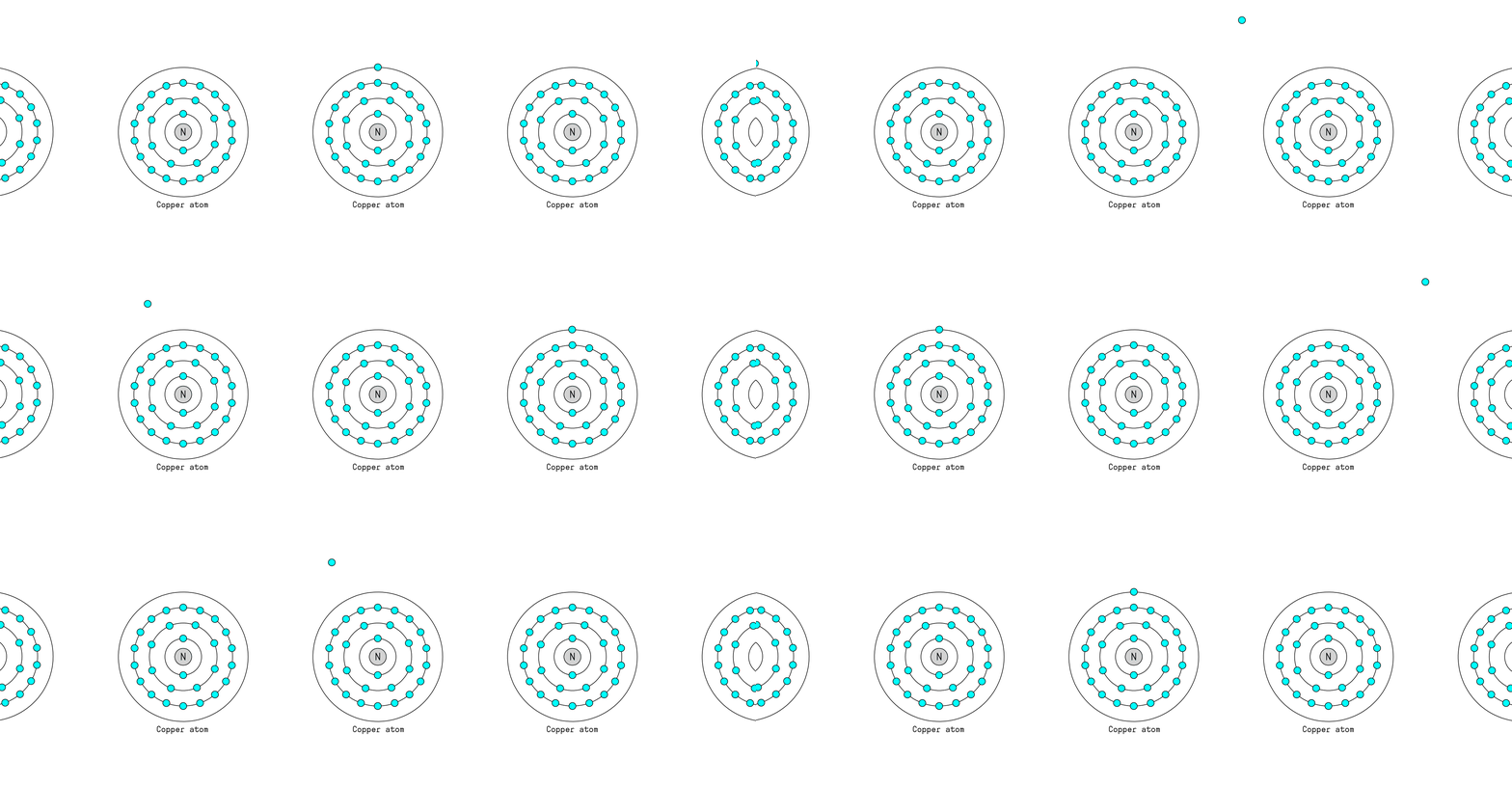
Here we can see how electrons move from atom to atom through a copper wire. In reality there would be billions of atoms in a copper wire, all passing their electrons from one to the next.
I will refrain from delving too deep into the science of this for now, but just note that the electrons move down the wire.
(They actually flow the other way in reality but ignore that for now. Search “conventional vs electron current” if you are interested.)
The water analogy
As mentioned, one common analogy that is used to explain electricity is comparing it to how water flows through a pipe system. As water is pumped in one end, it gets pushed through the pipe and out of the other end. Similarly, this is how electricity passes through a conductive material. Imagine that the battery is “pushing” electrons through the circuit in the same way a water pump would push water through a pipe.
Although using this analogy is helpful, it is not 100% comparable. I will use it to explain some fundamental properties of electricity but please keep in mind that at some points the water analogy may fall apart.
Voltage (measured in volts) is like the pressure of the water pushing through the pipes.
Current (measured in amps) is like the flow of water moving through the pipes.
Resistance (measured in ohms) is like a blockage or narrowing in the pipe that slows down the water.
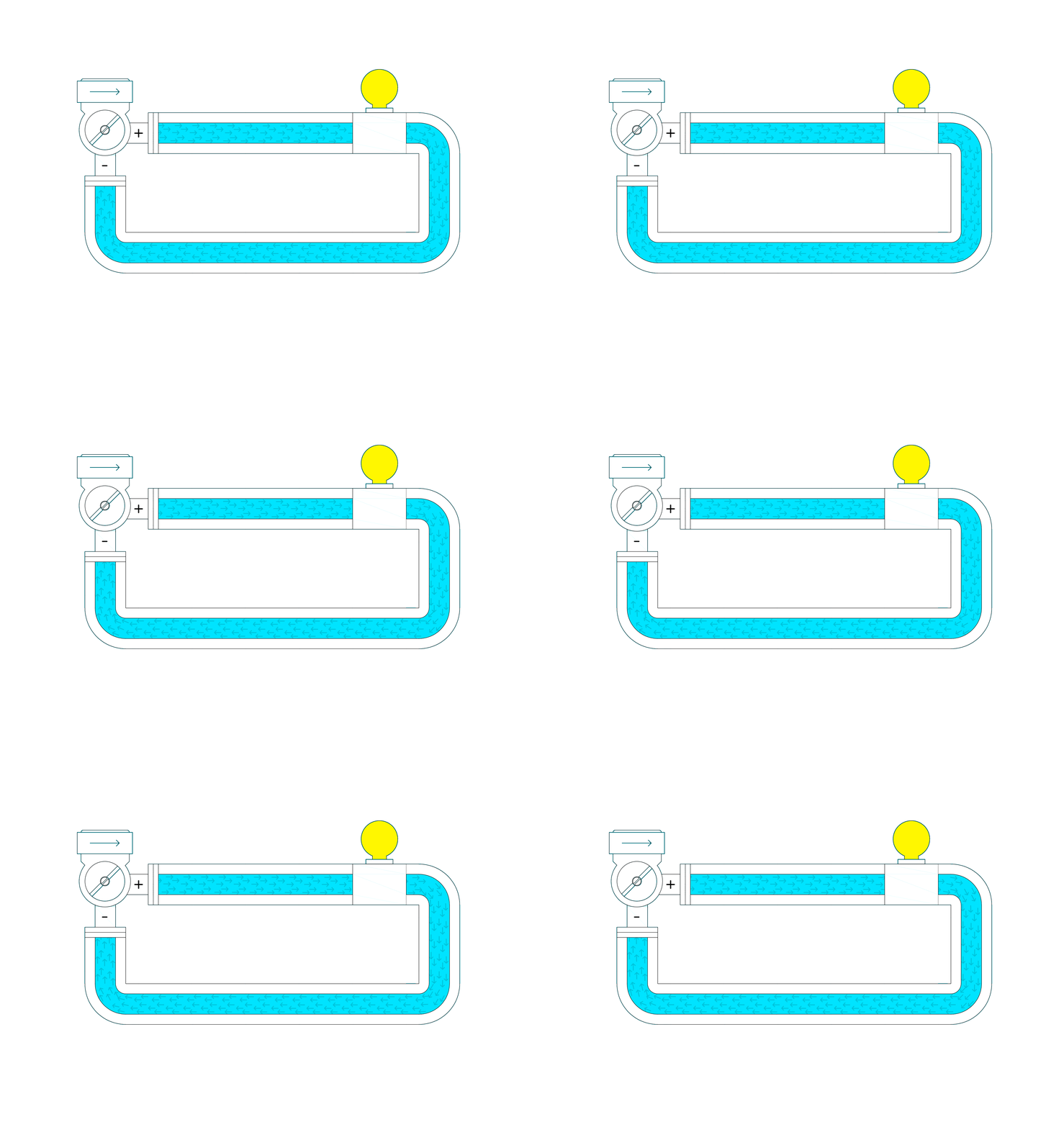
Here we have an example of the water analogy. This water “circuit” is the same as the one above, only using water and pipes instead of electricity and wires.
We have a water pump which is pushing water out of one end, through a pipe, and powering a lightbulb.
Notice that the pump has an output which we could call positive(+), and an input which we could call negative(-), the same as the battery.
We obviously have to use our imagination here but hopefully the use of this analogy will be helpful.
Current
Electronic
In electronic terms current is a measure of how many electrons pass a certain point over a specified time. Current is measured in Amperes(A).
1A or 1 Ampere means that 6,250,000,000,000,000,000 electrons have passed a specific point over 1 second.
Don’t worry about this very large number as it is practically irrelevant for our purposes.
Electrons have to be flowing in order for there to be a current.
Water analogy
In water terms, current is how much water passes a specific point over a specified time. For example, you could measure the number of liters of water that pass through the lightbulb section in one second.
Water has to be flowing for there to be a current.
High vs low current
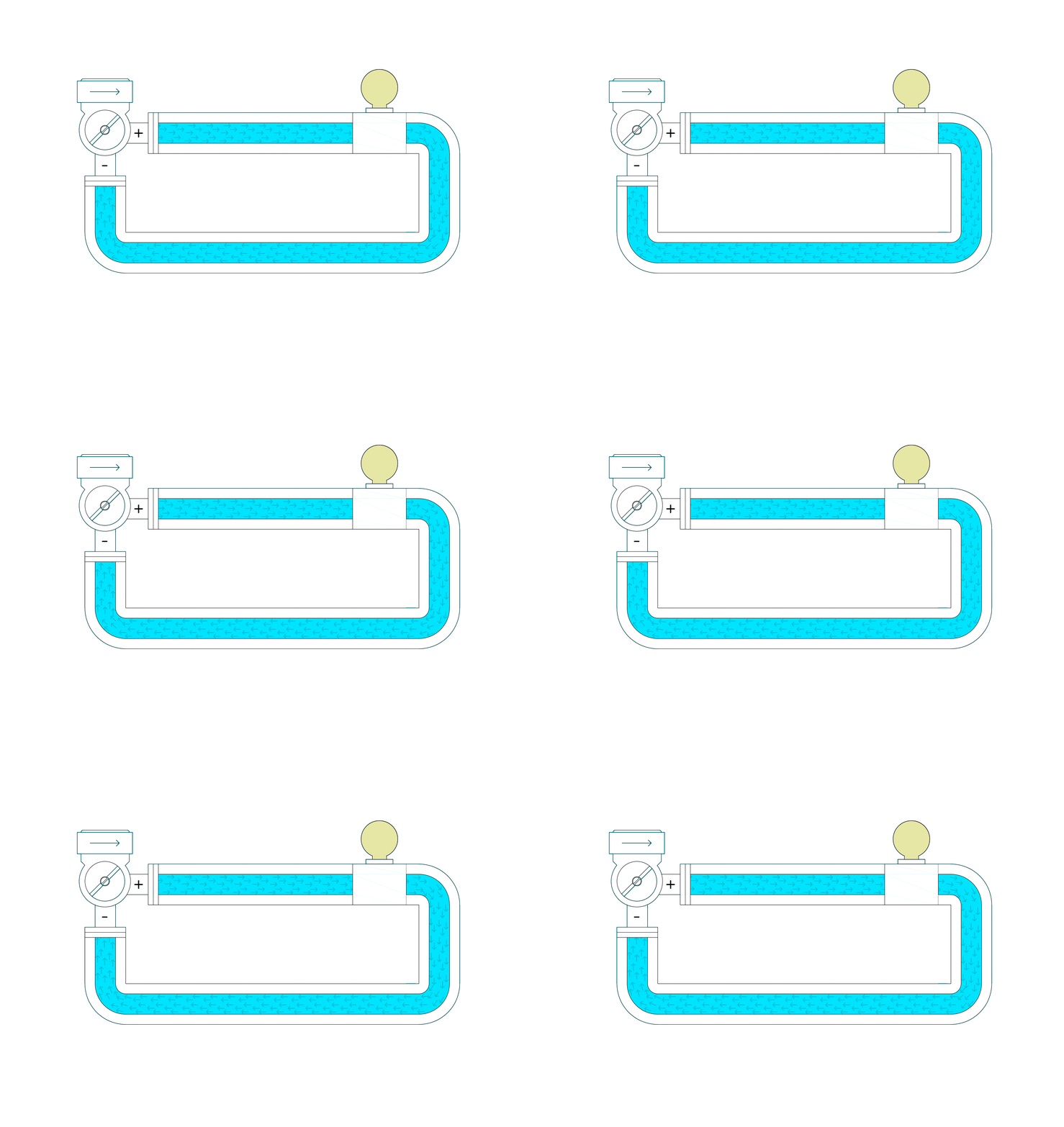
Here we can see a representation of high and low current
The first diagram represents a circuit that has a high current, and the second one represents a lower current.
As you can imagine, more litres of water would pass through the lightbulb in the first diagram than the second.
High current
Low current
Voltage
Electrical
Voltage is the property of electricity which actually pushes the electrons around the circuit. Without voltage no current can flow.
When you look at a battery and is says it 9v or 1.5v, this is how much “pressure“ it can produce.
Water analogy
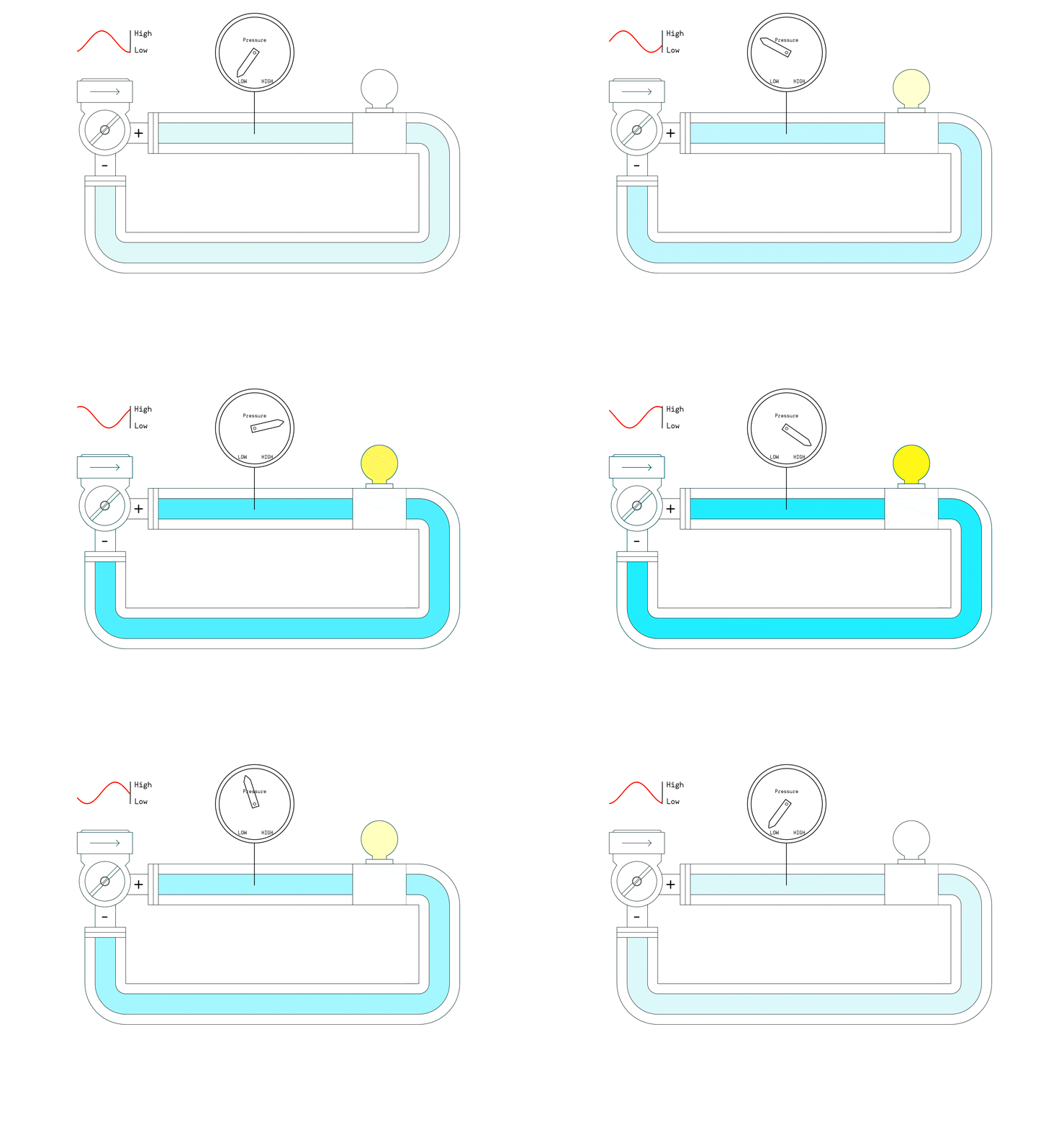
Voltage is like the the amount of pressure in a water system. Imagine this as the power of the pump. If you turn the pump up it will create a higher pressure in the system, turn it down and it will lower the pressure.
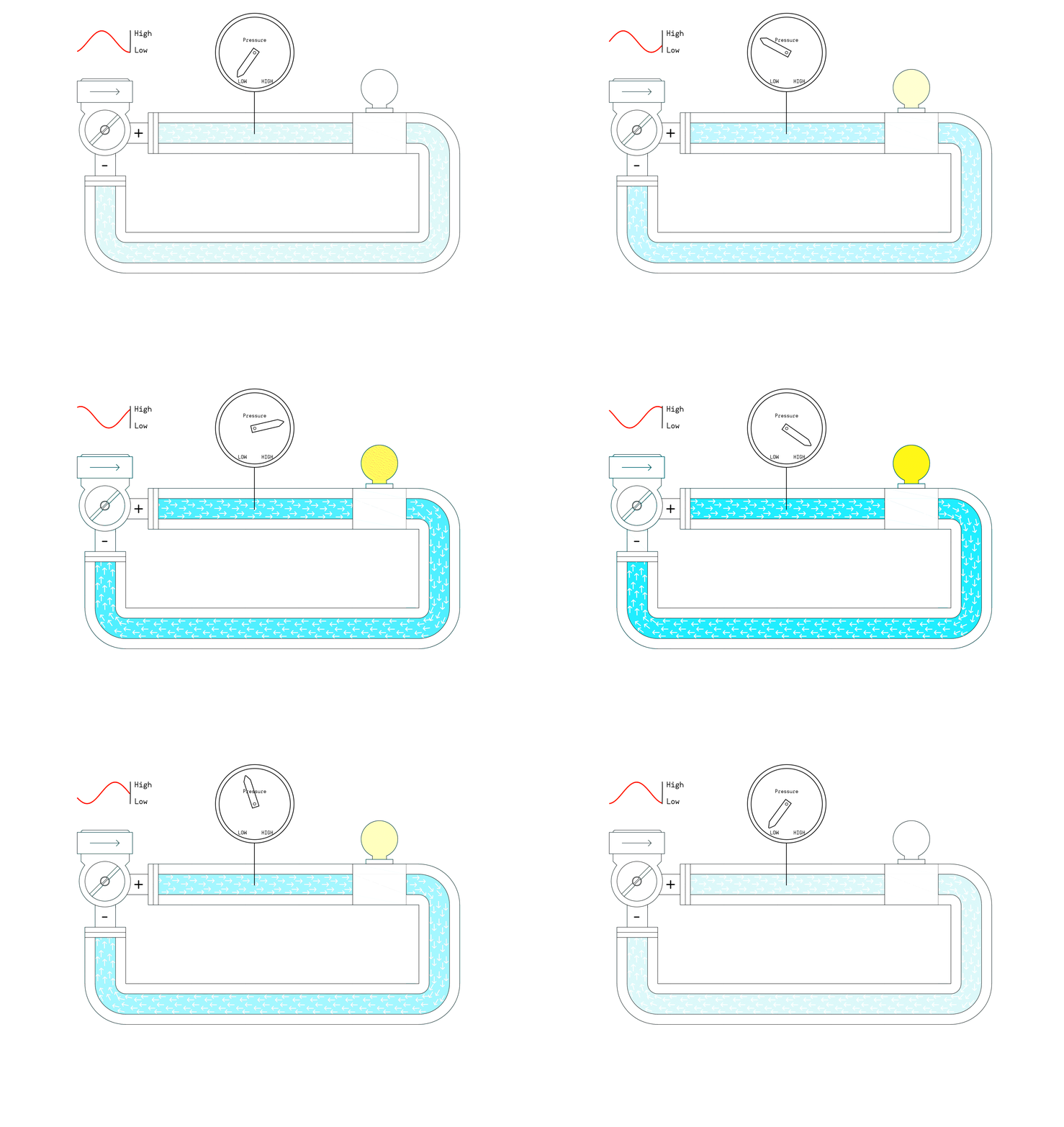
In this example the brightness of the blue represents how much pressure there is in the circuit.
No current without voltage
Notice here how the flow of current (the arrows) does not move unless there is voltage.
As the pressure gets higher, the water flows more quickly.
Think of voltage as pushing the water / electrons around the circuit and the current as the speed at which it is being pushed

Voltage doesn’t need current
Interestingly voltage can exist without current. Because voltage is like pressure, it can still push water into the system even if it cant go anywhere.
Imagine a water pump attached to a pipe which is sealed on the end. Turning the pump up will still create pressure in the pipe, even though no water is flowing. You could test the level of that pressure in the same way you can test voltage even if current isn’t flowing.
If you made a hole in the pipe then the pressure would push the water out of it and then you would have current as the water is now flowing.