1. What is sound?
Sound is created when an object such as a drum skin vibrates
As it moves backwards and forwards it pushes and pulls the air which creates vibrational waves
The waves travel from the drum skin to our ears through the air (or other medium)
They go into our ears and vibrate our ear drums
Our brains translate these vibrations into what we call sound
For the purposes of this workshop we will mainly focus on how sound is created. We do not need to worry too much about how our ears and brains turn vibrating air into “sound”.
The key thing to remember is that for stages 1-4 above, we are just talking about things vibrating, whether it’s a drum skin, a speaker, air or an ear drum. It’s just vibration.
Defining vibration
To have any chance at understanding how sound is made, we need to understand the concept of vibration, at least to some degree.
Here are a few definitions pulled from the internet:
“A rapid motion of the particles of an elastic body or substance back and forth”
“A periodic motion of the particles of an elastic body or medium in alternately opposite directions from the position of equilibrium when that equilibrium has been disturbed”
“The oscillating, reciprocating, or other periodic motion of a rigid or elastic body or medium forced from a position or state of equilibrium.”
You may notice there are some recurring themes throughout these quotes:
“oscillating”, “reciprocating”, “periodic motion”
These words suggest that there is some form of repetitiveness to vibration. To vibrate is to do something over and over.
“back and forth”, “in alternately opposite directions”
These words suggest movement. More specifically they describe movement in one direction and then the complete opposite direction.
“equilibrium”
This describes that there is a “state”, or “position” that the vibrating thing was in before it was vibrating and will go back to once it stops vibrating.
To summarize, vibration has the following properties:
Repetitiveness
Back and forth motion
A start and finish “position”
Vibration in practice
Using the drum as an example lets look at the properties we defined above.
Repetitiveness:
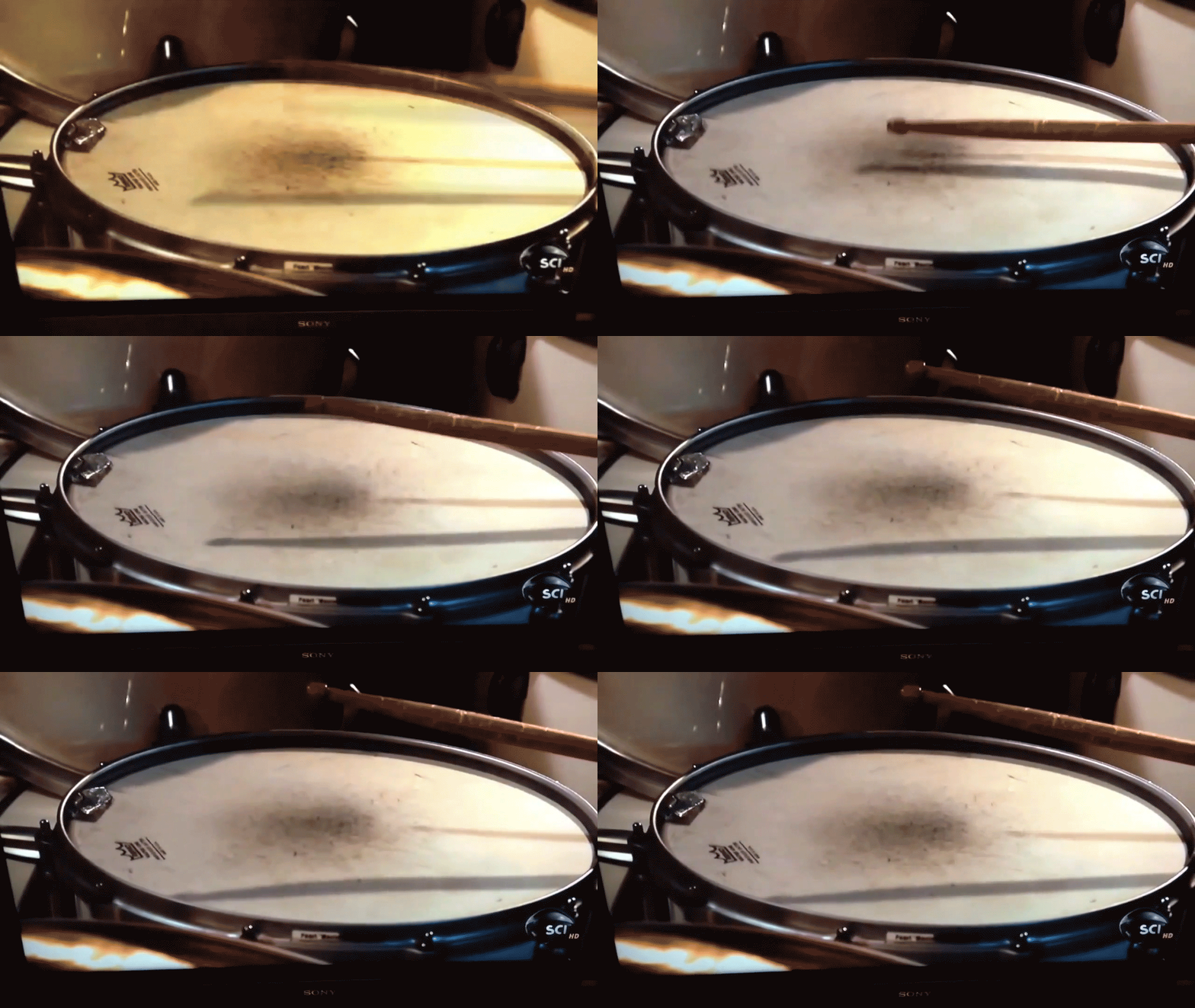
When you hit the drum, the skin “vibrates” backwards and forwards repeatedly. If ou were to just push the skin downwards once, there would be no sound. Its the repeated back and forth vibration that creates the sound.
Back and forth motion:
Clearly when you hit a drum the skin moves backwards and forwards.
Start and finish point:
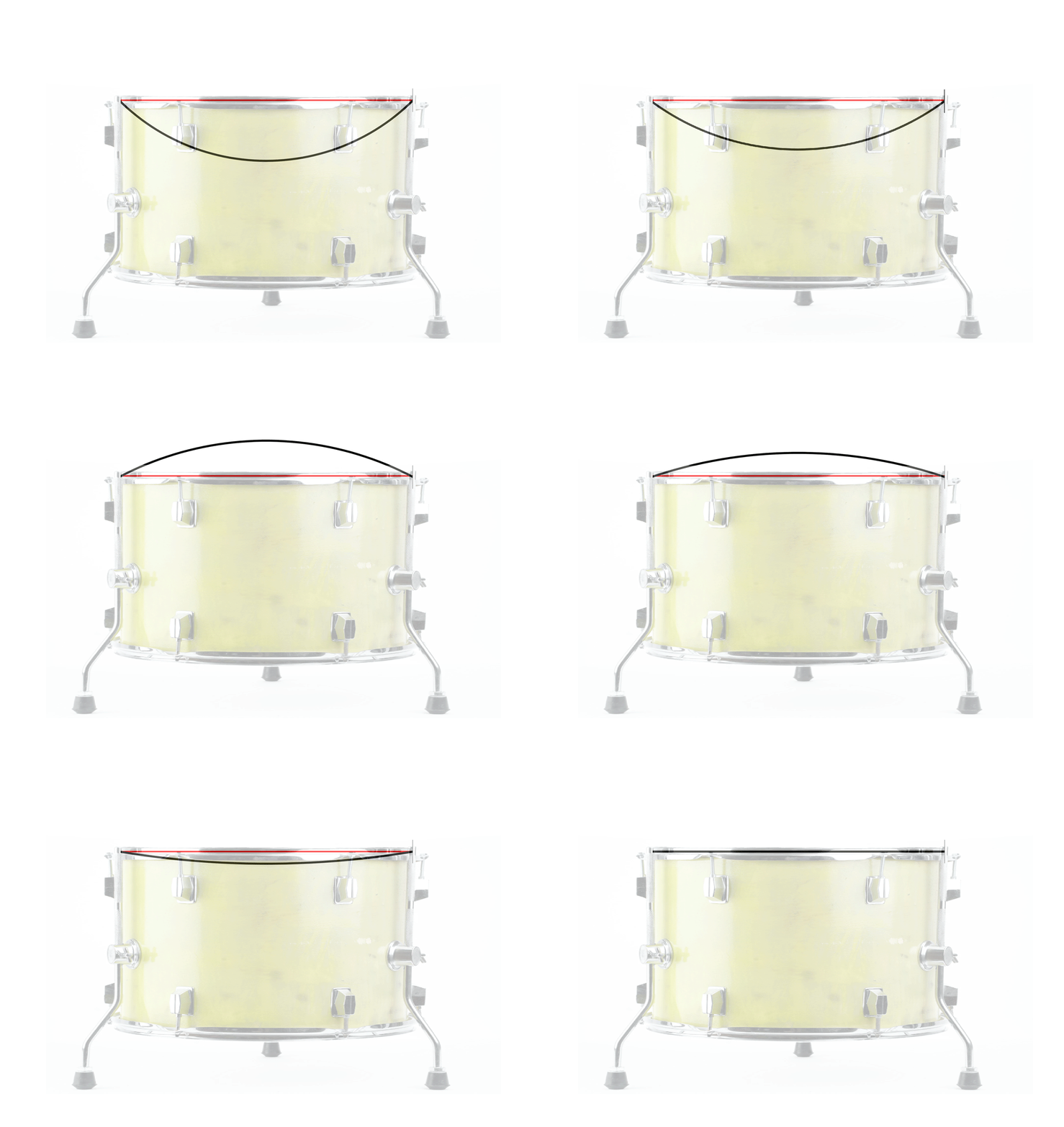
Before you hit the drum, the skin sits flat. Once you hit the drum the skin vibrates. Afterwards the skin slowly returns to its original position.
Most importantly, the skin vibrates upwards and downwards roughly equally around its original position.
Black line = drum skin
Red line = Start and finish point
Vibration of a speaker
So now we understand what vibration is, let’s look at how that translates into the real world, specifically how a speaker uses vibration to create sound.
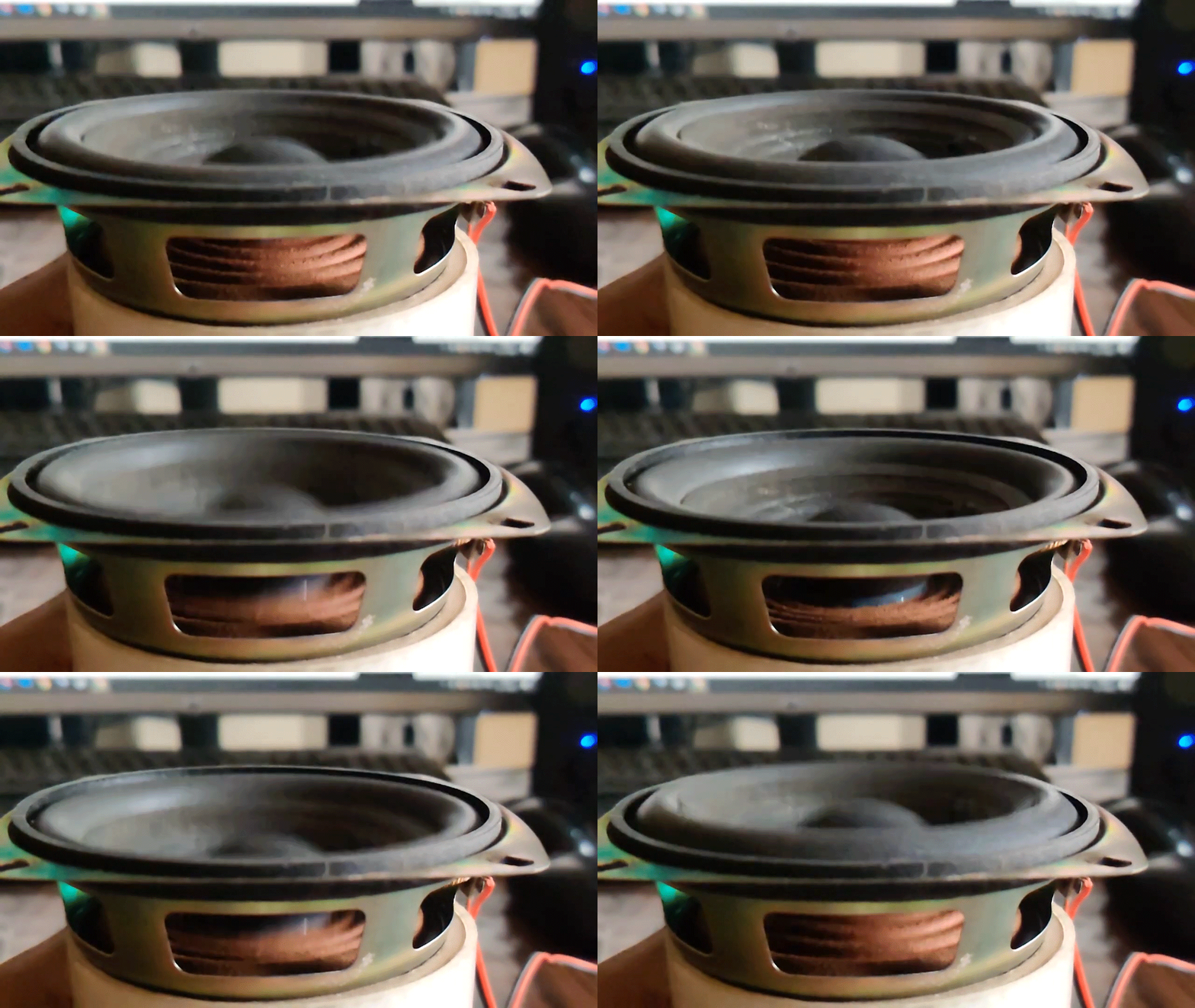
A speaker works by pushing a paper “cone” backwards and forwards in a similar way to a drum does. The big difference is that unlike a drum, a speaker does not need to be hit to make it vibrate. Instead it uses electricity to move the “skin” backwards and forwards. Exactly how it does that will be explained later, but for now just focus on the fact that it has a skin that vibrates, much like a drum does.
Something to note here is that a drum can only really sound like a drum, where as a speaker can reproduce pretty much any sound (even the sound of a drum). This is because we can control how the speaker vibrates much more precisely.
So roughly speaking if you make a speaker cone vibrate in the exact same way that a drum skin does, it will sound like a drum. The same goes for a cymbal or any other sound for that matter.
Auditory properties of vibration
Considering that all sound is just vibration, what properties of vibration affect the sound that it creates?
Amplitude:
In respect to sound, amplitude is how loud it is. Low amplitude is quiet, and high amplitude is loud.
Amplitude is how far the vibrating thing moves from its starting position. In the example of a speaker, the louder you play music through it, the further out the cone will move.
With a drum, if you only hit it very lightly the skin will only move up and down a tiny bit, but if you hit it hard it will move up and down much further. Obviously hitting it harder will be louder than hitting it lightly.
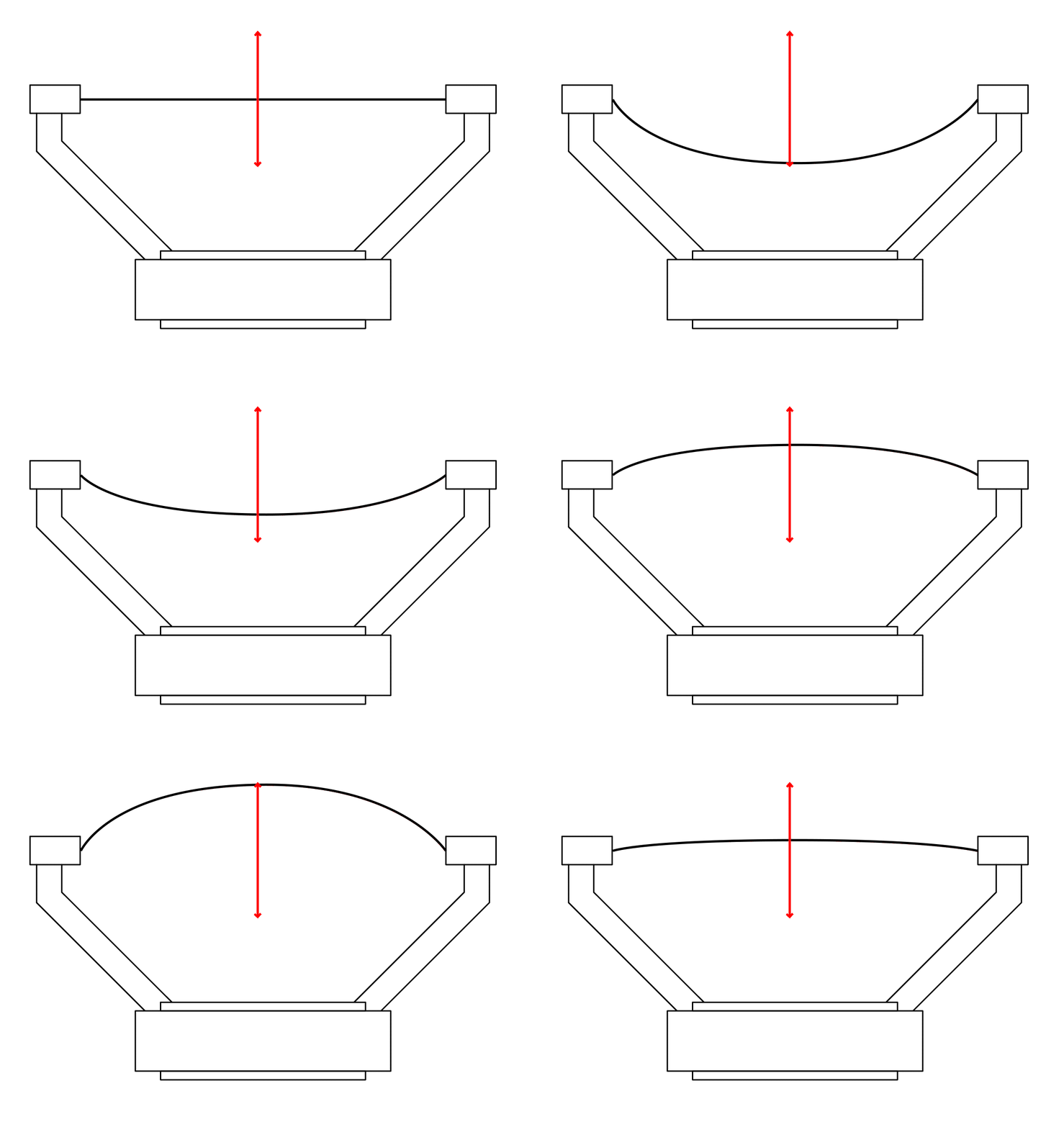
High Amplitude
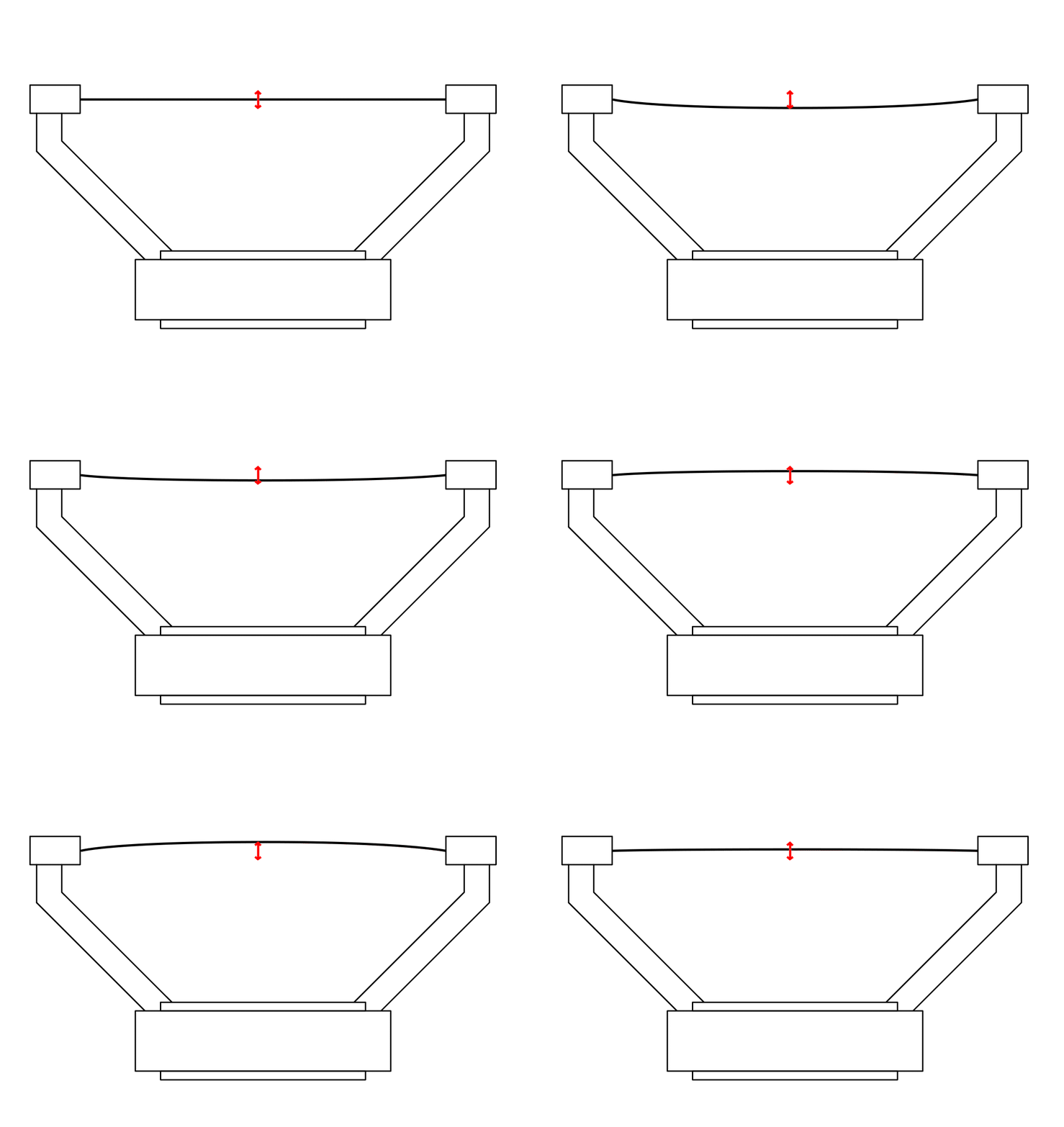
Low Amplitude
Frequency:
In respect to sound, frequency is the pitch. Higher frequency means higher pitch, lower frequency means lower pitch.
Frequency is how fast the vibrating thing moves backwards and forwards. With a speaker, the faster the cone moves the higher the frequency.
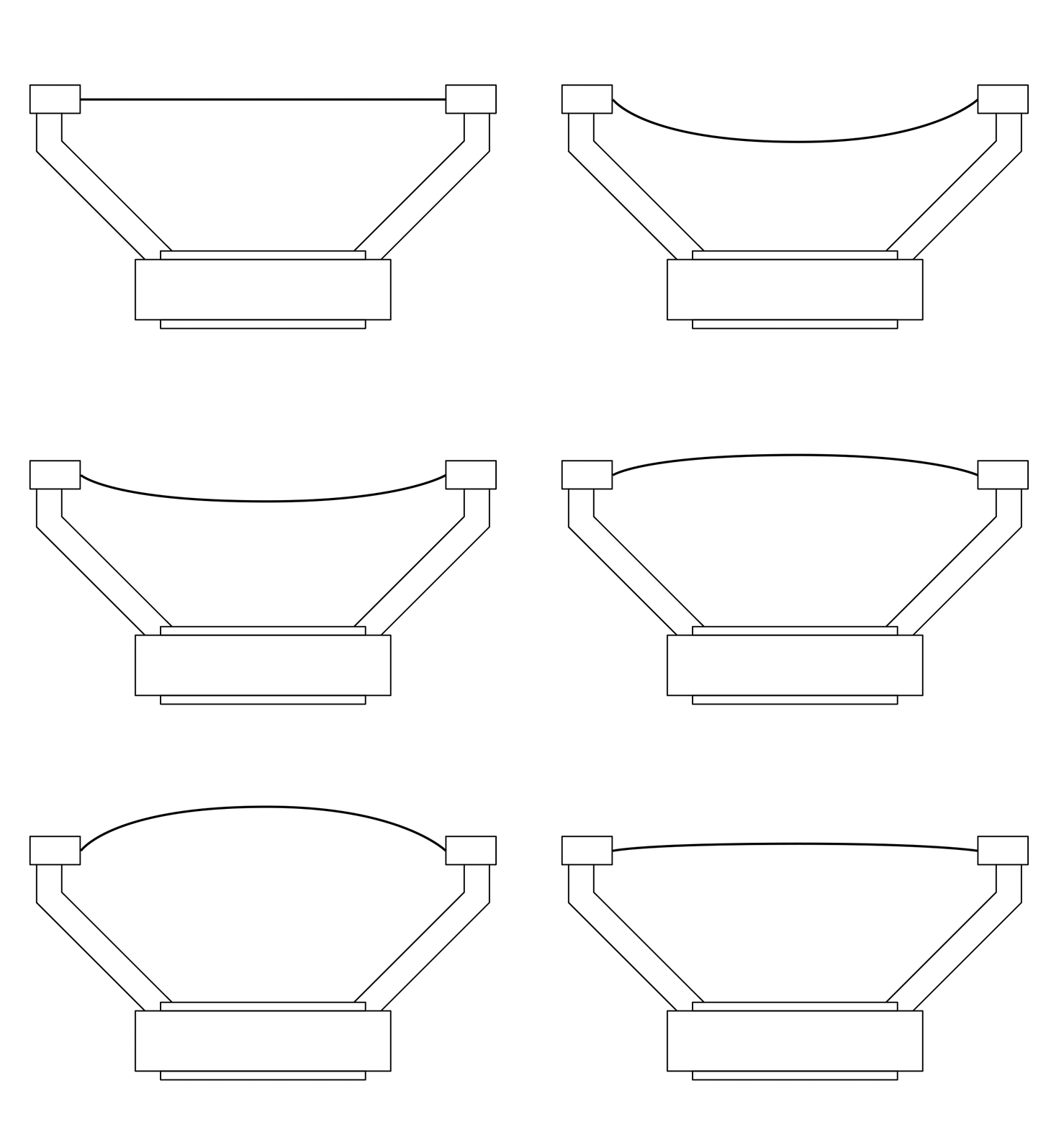
Slower vibration = Lower frequency = Lower pitch
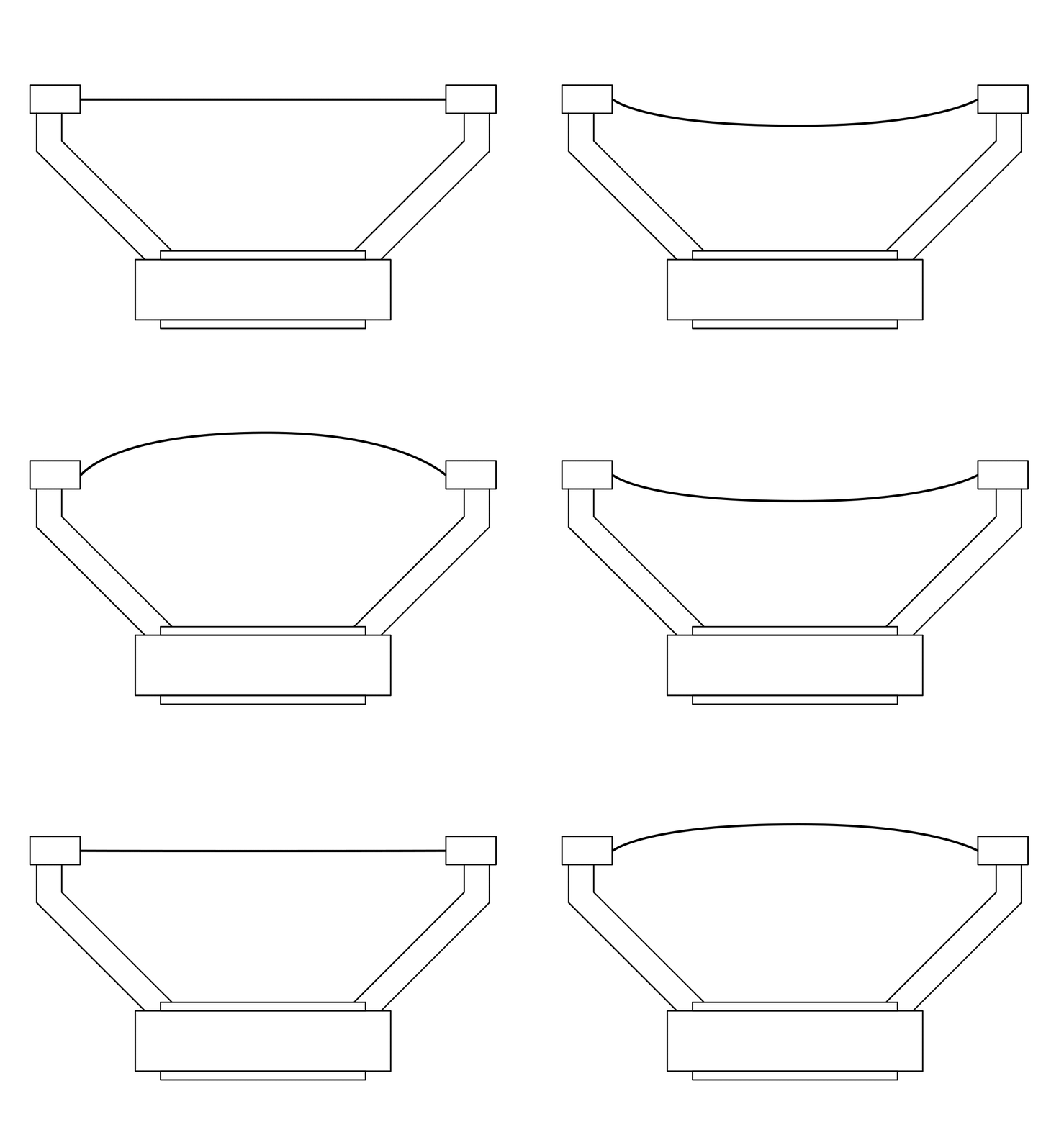
Faster vibration = Higher frequency = Higher pitch
Frequency is measured in Hertz (Hz)
Using a speaker as an example:
1Hz means that the speaker cone will move from its starting point, up, down and then back to its starting point once a second.
2hz means that the speaker cone will move from its starting point, up, down and then back to its starting point twice a second.
Etc. . . .
The human hearing range is around 20hz to 20,000Hz
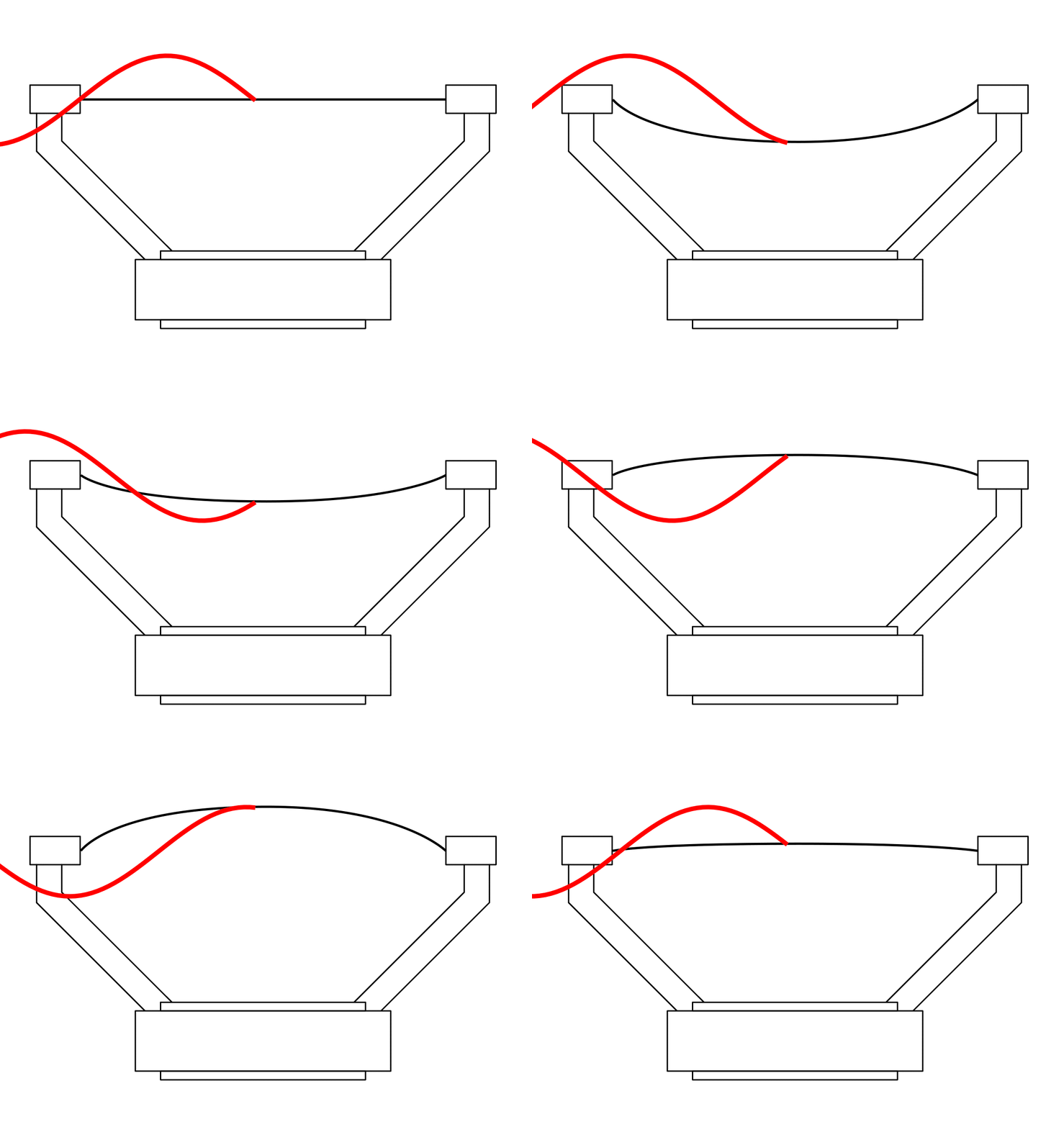
0.5Hz
One every two seconds
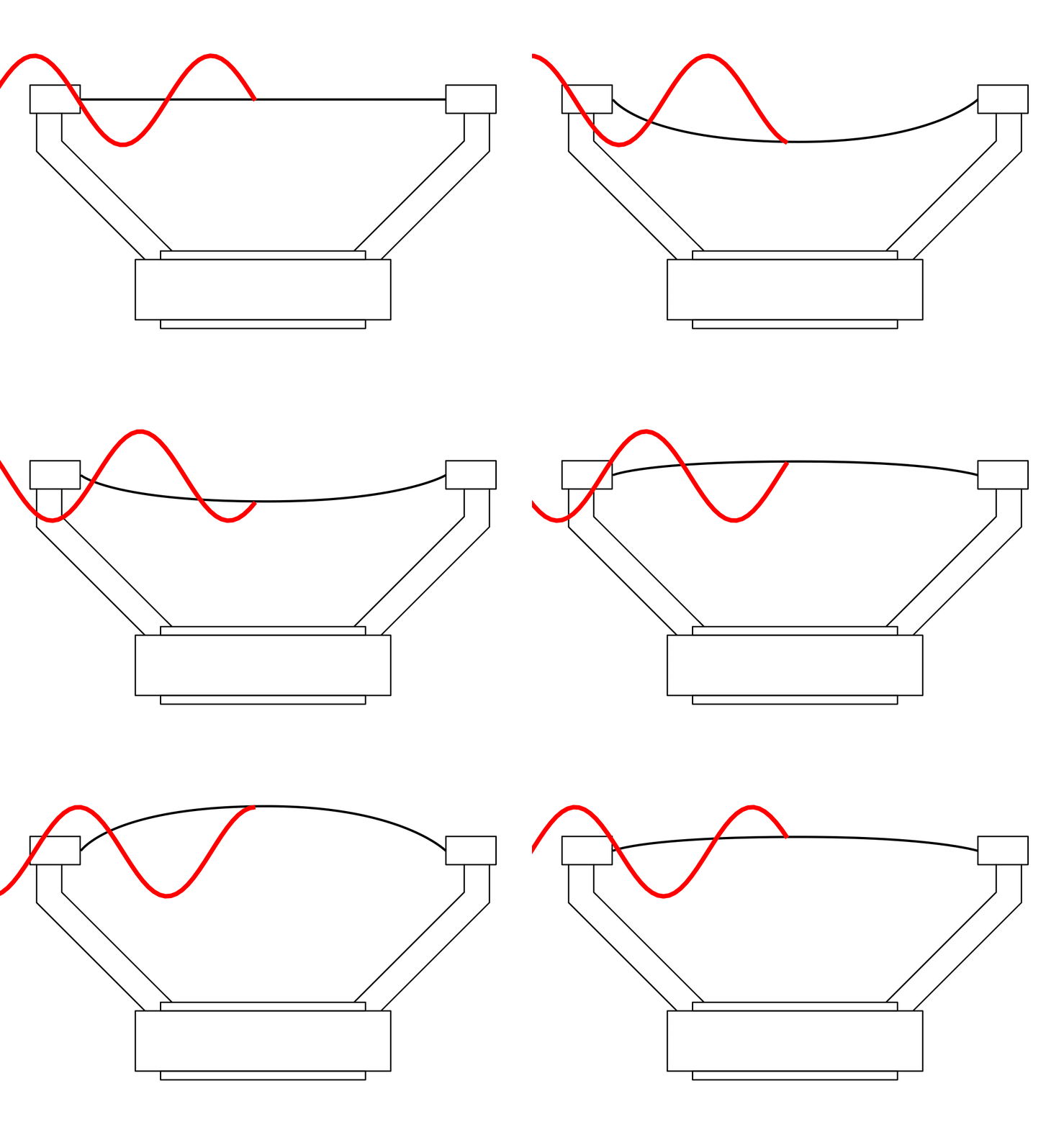
1Hz
Once a second
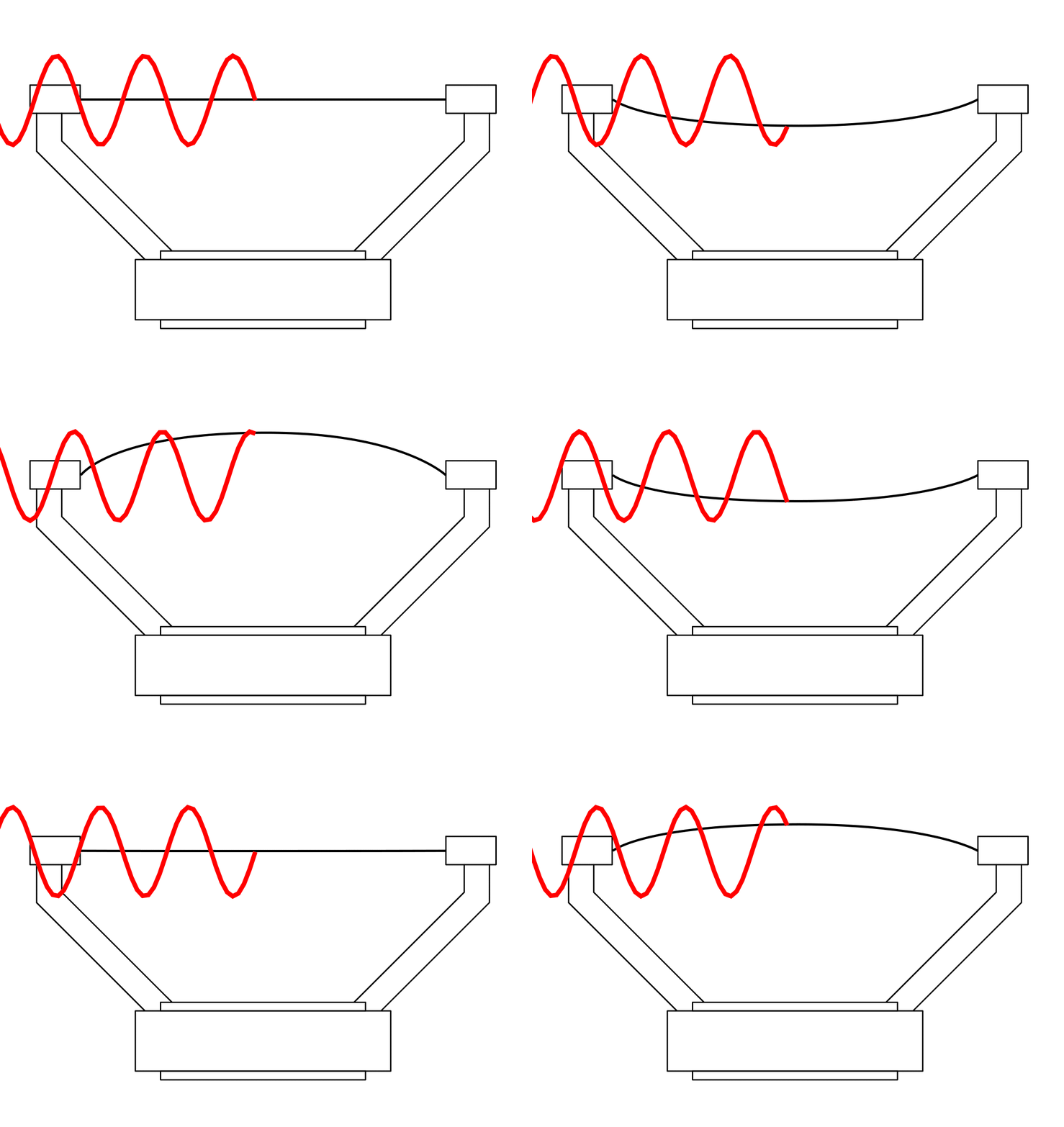
2Hz
Twice a second
Different types of oscillation
When we talk about vibration in the context of music and speakers and specifically the synth world, we refer to it as oscillation.
The terms vibration and oscillation can be used interchangeably for the purposes of this workshop.
The “shape” of the oscillation affects the sound. These can be very simple or very complex.
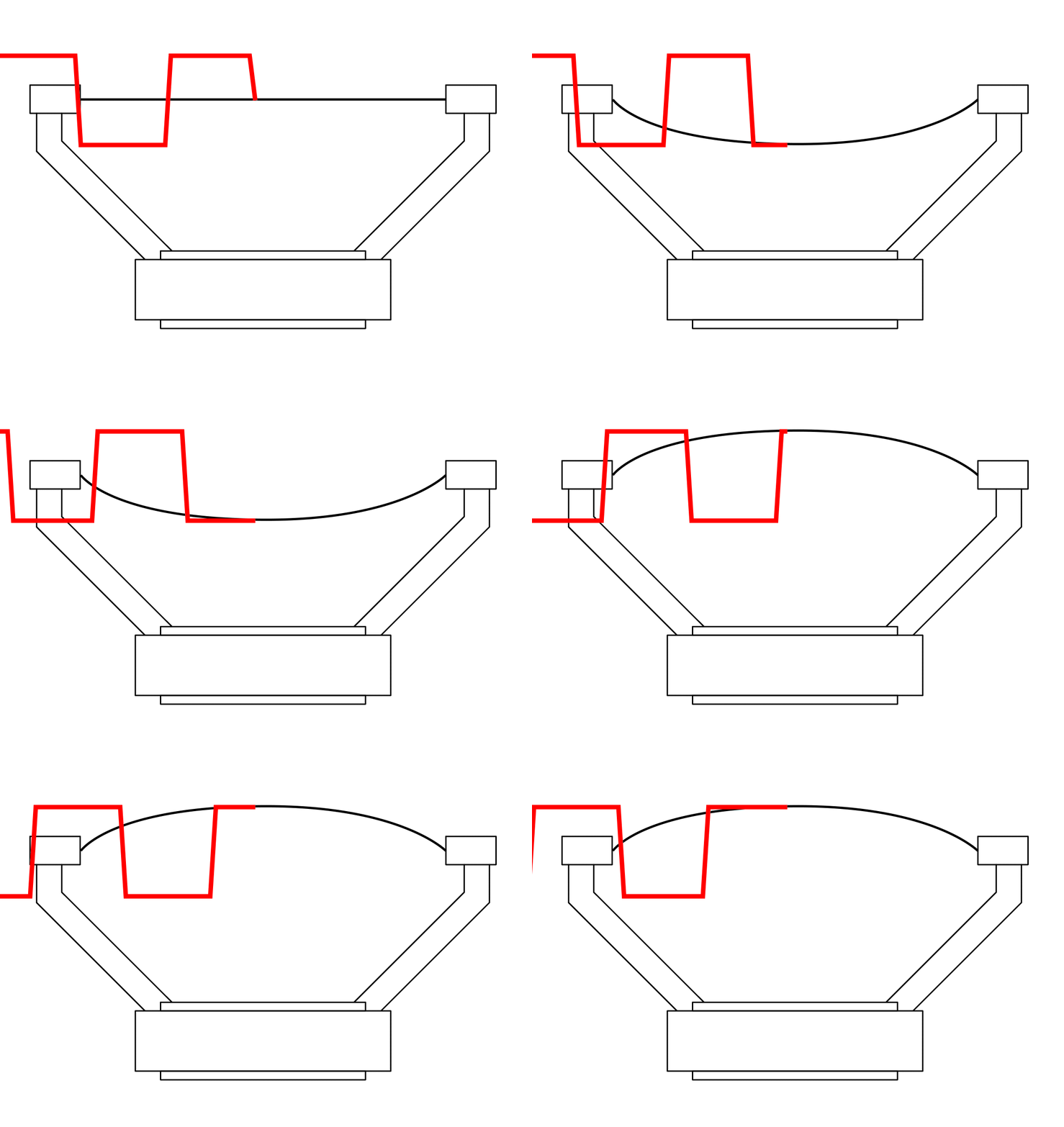
Square wave
Sine wave
Sawtooth wave
Controlling a speaker with electricity
Now that we know how we want the speaker to move, we need to figure out how we can do that using electricity.
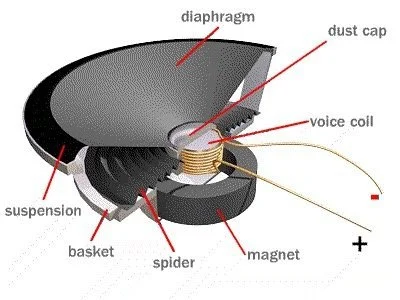
As we discussed before a speaker works by moving a paper “cone” backwards and forwards. This cone is also referred to as the diaphragm.
The way that the speaker moves this diaphragm is by using an electro magnet. When a voltage is put though the electro magnet it increases its magnetic force which pushes (or pulls) the diaphragm backwards (or forwards).
By controlling the voltage that we put through the speaker we can control how it moves. This is ultimately what we are trying to achieve when we make an electronic synth circuit, we want to create a fluctuating voltage in the desired wave shape which can be used to to control a speaker later down the line.
Its worth noting here that usually an electronic synth will not directly connect to a speaker. It may go through a mixer and/or an amplifier. We will discuss this later but for now just imagine that we are connecting directly to a speaker.
Using voltage
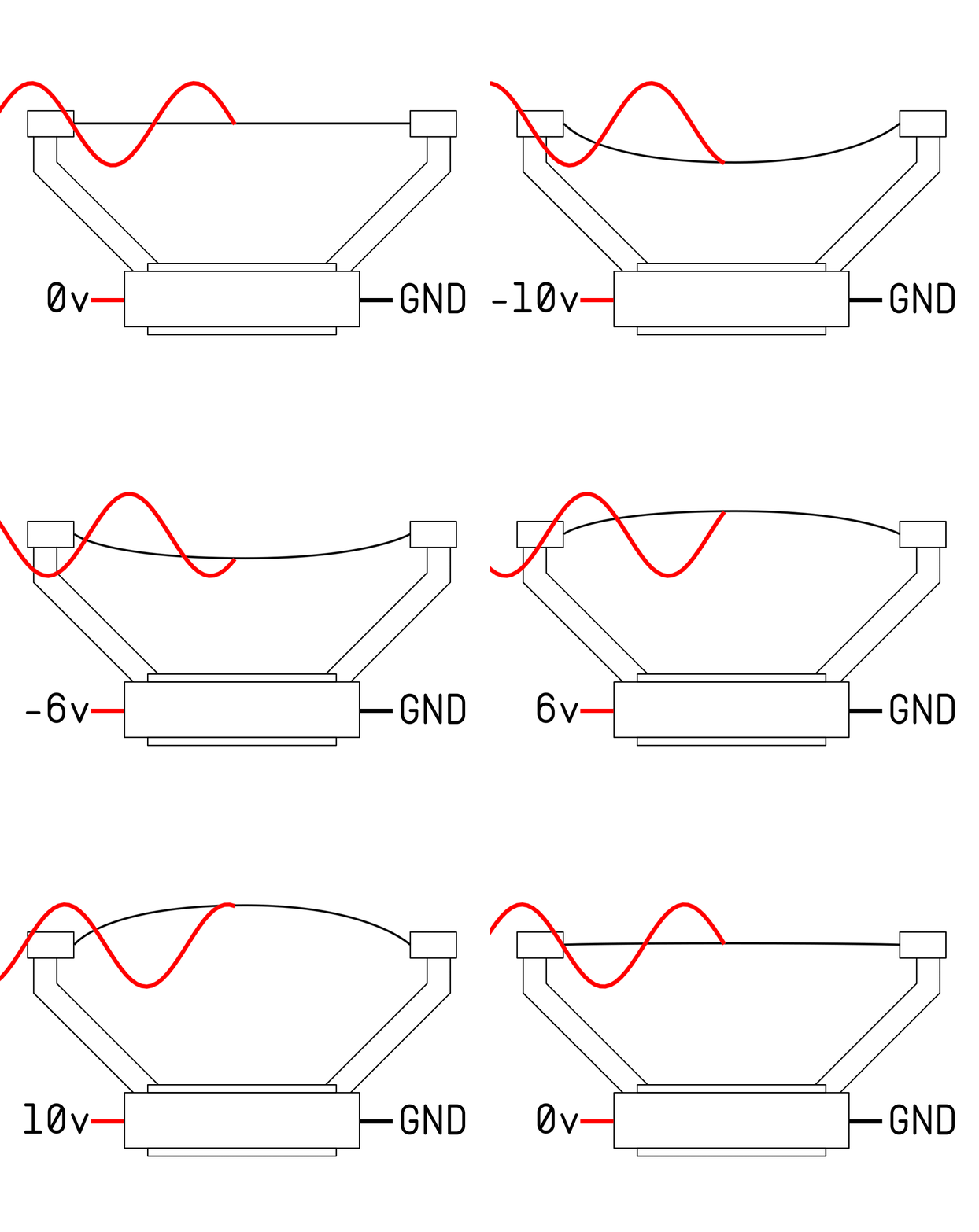
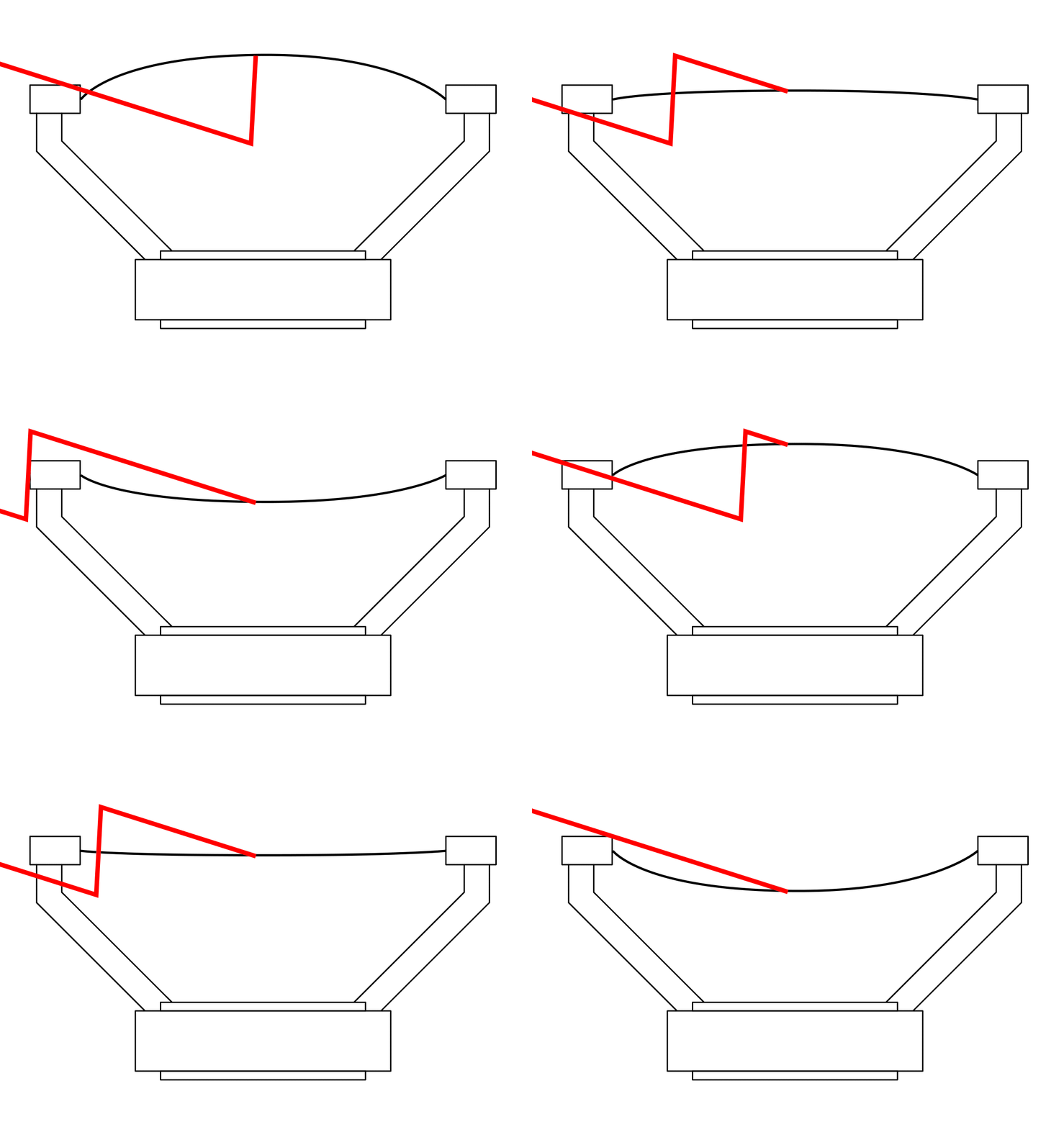
Here you can see how different voltages affect how the speaker diaphragm moves.
In this example, 10v means that the diaphragm is fully pushed up, and -10v means its fully pulled down. Notice that when its in the middle (the start and end position) it is 0v. This means if no voltage is used the diaphragm will sit flat in the middle, if positive voltage is used the it will push up, if negative voltage is used it will pull down.
The use of 10v in this example is arbitrary, we will discuss voltages in more detail later.